

The shift towards remote work has transformed how many approach their professional lives. Establishing a productive home office is no longer a luxury but a necessity. This article dives into practical and effective tips for remote workers to enhance their productivity and help them maintain a healthy work-life balance. From creating a dedicated workspace to embracing technology, these hacks are designed to streamline your workday and boost efficiency. Whether you’re new to remote work or seeking ways to revitalize your existing setup, this guide offers valuable insights to optimize your home office environment.
Creating A Dedicated Workspace

A designated workspace is essential for maintaining focus and productivity in remote work. Select a location in your home that’s distinct from common living areas to minimize distractions. This could mean converting a small section of a bedroom or living room into an office area. Consider aspects like natural lighting, noise levels, and accessibility when choosing this spot. The goal is to create an environment that signals to your brain that it’s time to focus. Once the location is set, invest in ergonomic furniture. A comfortable chair and a desk at the right height are not just luxuries; they are necessities to prevent physical strain over long periods of work.
Besides the physical setup, keeping your workspace organized is crucial. A clutter-free desk can significantly improve concentration and efficiency. Utilize shelves, desk organizers, and digital tools to keep everything in order. Personalizing your workspace with items like plants or art can also enhance your mood and productivity. The key is to create an area that feels separate from the rest of your home life, making it easier to switch into work mode and maintain productivity throughout the day.
Tech Setup For Maximum Efficiency
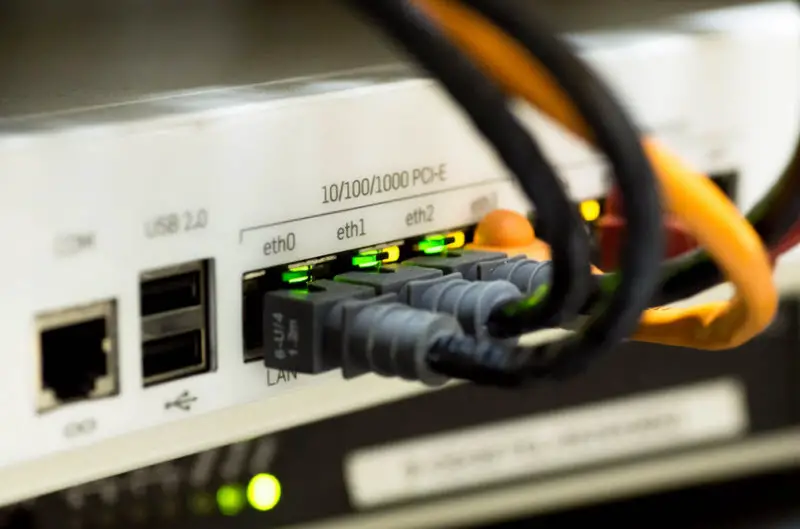
Adequate technology is pivotal for efficient remote work. Begin with ensuring a strong and reliable internet connection, as it’s fundamental for almost all work-related tasks. Upgrading your internet plan and using Wi-Fi extenders can help eliminate connectivity issues. Next, focus on digital organization tools. Utilize calendars and task managers, such as Google Calendar or Asana, to keep track of deadlines and appointments. Integrating these tools with other applications can streamline your workflow, keeping you organized and focused.
Another critical aspect is data backup and security. Cloud storage services like Dropbox or Google Drive are excellent for storing and accessing files from anywhere securely. Don’t underestimate the importance of cybersecurity; invest in good antivirus software to protect your work from potential threats. This comprehensive tech setup ensures that you stay productive, your work is secure, and you have the necessary tools at your fingertips, allowing for a smoother and more efficient workday.
Time Management Strategies

Effective time management is key for remote work productivity. Structuring your day with clear start and end times can help establish a routine. Implementing methods like the Pomodoro Technique, where you work in focused intervals followed by short breaks, can boost focus and efficiency. Another useful approach is time blocking, where specific time slots are dedicated to different tasks or activities. This helps in prioritizing essential tasks and ensures that they receive the attention they deserve.
Remember to schedule regular breaks throughout the day. Breaks are essential to prevent burnout and keep your mind fresh. Activities like short walks, stretching, or a few minutes away from the screen can be rejuvenating. It’s important to realize that constant work without breaks often leads to reduced productivity and increased stress. Striking the right balance between focused work and adequate rest is crucial for long-term success in remote work.
Maintaining Work-Life Balance

Establishing a clear boundary between work and personal life is critical when working from home. Define specific work hours and stick to them to avoid the trap of always being ‘on.’ This delineation helps in mentally switching off from work, allowing for relaxation and personal time. It’s crucial to have a physical or symbolic ‘end of the day’ routine, like shutting down your computer or closing the door to your workspace, to signal the end of your workday.
Incorporating relaxation techniques and hobbies into your daily routine is equally important. Activities like reading, exercising, or engaging in a hobby can help you unwind after work. These activities not only provide a much-needed break but also aid in maintaining a healthy mental state. In the long run, a good work-life balance is key to sustaining productivity and preventing burnout. It’s about finding that harmony where both work and personal life receive adequate attention and value.


