Ensuring Safe And Efficient Fireplace Use

For homes with a fireplace, preparing it for winter use is both a safety and efficiency concern. Before lighting the first fire of the season, a thorough cleaning and inspection of the chimney and fireplace are imperative. Creosote buildup, a common byproduct of wood burning, can lead to chimney fires if not regularly cleaned. Ensure that the chimney is free of blockages, such as bird nests or debris, and that the damper opens and closes properly. If you are not comfortable performing these checks yourself, hiring a professional chimney sweep is a wise decision.
In addition to cleaning, stocking up on the right type of firewood is crucial. Hardwoods like oak, maple, and birch burn longer and more efficiently than softwoods, producing more heat and less creosote. Store firewood in a dry place to avoid moisture, which can lead to more smoke and less efficient burning. It’s also important to have a sturdy screen in front of the fireplace to catch any flying sparks or embers. Following these steps will not only enhance the warmth and ambiance of your home but also ensure the safe and efficient operation of your fireplace throughout the winter months.
Optimizing Energy Efficiency

With the increased use of heating systems during winter, energy efficiency becomes a top priority. Installing a programmable thermostat can make a significant difference in managing your home’s temperature efficiently. By setting it to lower the temperature when you’re asleep or away, you can reduce energy usage without sacrificing comfort. Additionally, consider using energy-efficient lighting, such as LED bulbs, which consume less electricity and last longer than traditional incandescent bulbs.
Smart home devices can also help with energy management. Smart plugs and power strips can turn off appliances when not in use, preventing energy waste. Properly insulating your home, including walls, attics, and basements, can prevent heat loss, thus reducing the need for constant heating. Sealing any leaks in ductwork further ensures that warm air circulates efficiently throughout your home. These energy-saving measures can lower your utility bills and contribute to a more sustainable and environmentally friendly home.
Setting Up A Winter Emergency Kit

Winter weather can be unpredictable, and it’s important to be prepared for potential emergencies, such as power outages. Creating a winter emergency kit is a critical step in your preparation. Your kit should include essential items like flashlights, batteries, a battery-powered radio, and a first-aid kit. Keep a supply of bottled water and non-perishable food items, along with manual can openers. Blankets, warm clothing, and hand warmers are also essential to have on hand in case of a heating system failure.
In addition to these basics, consider including a backup charging method for your mobile devices, such as a power bank or solar charger. If you have medical needs or small children, make sure to stock any necessary medications, baby supplies, or other special items. It’s also a good idea to keep a list of emergency contacts, including local utility companies, in a readily accessible location. By being prepared with a well-stocked emergency kit, you can ensure your family’s safety and comfort during unexpected winter weather events.
Protecting Outdoor Equipment And Landscaping
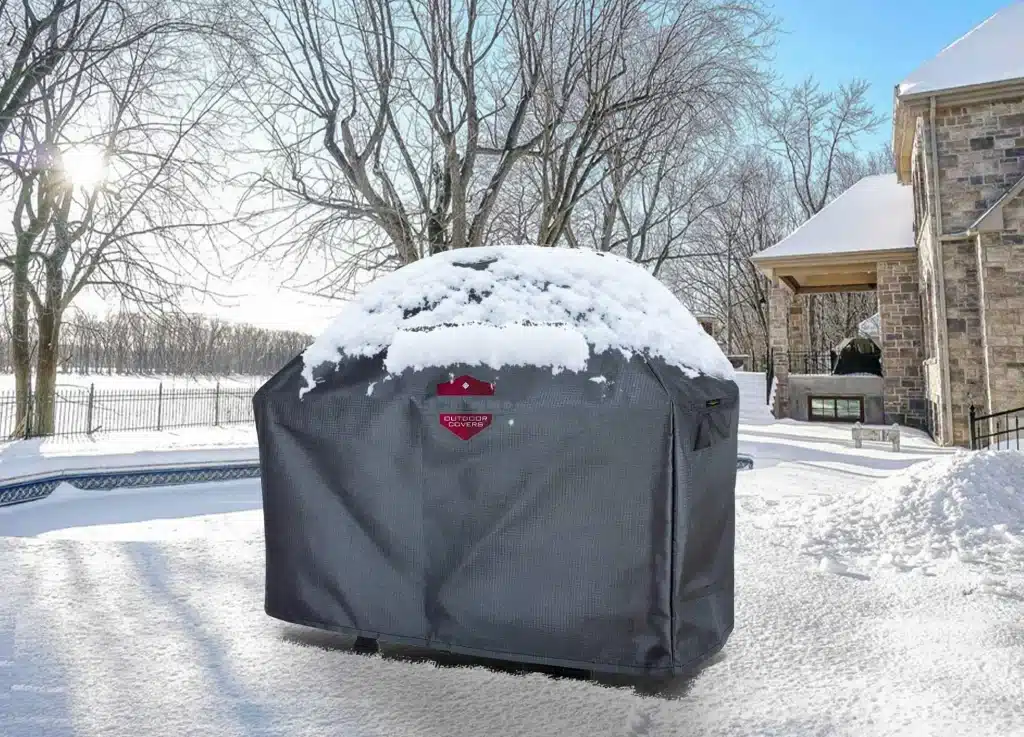
The exterior of your home, including outdoor equipment and landscaping, also requires attention before winter sets in. Begin by storing or covering outdoor furniture, grills, and other equipment to protect them from the elements. If you have a pool, follow the appropriate steps to winterize it, preventing damage from freezing temperatures. For gardening tools and equipment, clean them thoroughly before storing them in a dry place to prevent rust and deterioration.
Your landscaping needs protection from the cold as well. Wrap sensitive shrubs or young trees in burlap to shield them from wind and frost. If you have perennial plants, consider mulching around them to provide insulation and retain soil moisture. You should also drain irrigation systems and turn off outdoor water sources to prevent freezing and bursting. Taking these steps to care for your outdoor space will not only preserve its beauty and functionality but also save you time and effort when spring arrives.
Embrace The Chill With Confidence!
As this guide has shown, preparing your home for winter is a multifaceted process that goes a long way in ensuring your comfort, safety, and financial efficiency during the colder months. By methodically following these steps, from inspecting your heating system to protecting your outdoor space, you can create a warm and secure environment for your family. Don’t wait for the first frost to catch you off guard; start your winter preparations today and enjoy a cozy, worry-free season!


