Notable updates and developments since original post on December 4th, 2023.
Matter Standard Struggles: The Matter standard, initially hailed as a solution to unify smart home standards, has faced challenges in practical implementation. While it promises seamless interoperability and security, real-world adoption has been less straightforward. Setting up Matter devices remains complex, and many still require specific manufacturer apps for full functionality. Additionally, users often need major tech companies’ devices (like Google Home Hubs or Echo devices) to act as bridges or routers for Matter-enabled devices. Despite its potential, Matter’s current state falls short of expectations1.
- Privacy Concerns Persist: As smart homes evolve, so do privacy risks. Recent reports highlight how connected devices—ranging from smart speakers to security cameras—can inadvertently invade our privacy. Users must remain vigilant about data collection and ensure that their devices don’t compromise personal information. Balancing convenience with privacy remains a critical challenge2.
- Smart Home Trends for 2024: Looking ahead, smart home technology continues to evolve. Trends for 2024 include:
- Enhanced Integration: Expect smoother integrations across platforms, making it easier to control devices regardless of brand.
- Improved Security Measures: Developers are prioritizing security features to protect user data.
- 5G Backup Internet: As 5G networks expand, smart homes can benefit from reliable backup connectivity.
- Smart Displays and Clocks: These multifunctional devices are gaining popularity.
- Robot Vacuums: Anticipate more advanced and efficient robot vacuum models.
- Cleaner Home Assistant Configs: Streamlining and organizing Home Assistant setups for better performance3.
In summary, the smart home landscape continues to evolve, but challenges persist. As users, stay informed, prioritize privacy, and adapt to the ever-changing world of connected devices. 🏠
Original post:
Smart home devices, ranging from voice assistants to automated security systems, have rapidly become integral components of modern living. This technological revolution offers unmatched convenience, yet it also raises a crucial question about the privacy and security of these devices. Are these smart gadgets merely helpful companions, or do they have the potential to compromise your privacy? This article delves into the complexities of smart home technology, exploring how these devices work, the nature of the data they collect, and the potential risks they pose to users’ privacy. So, if you’ve ever wondered if your smart home device is spying on you, read on!
The Rise Of Smart Home Devices
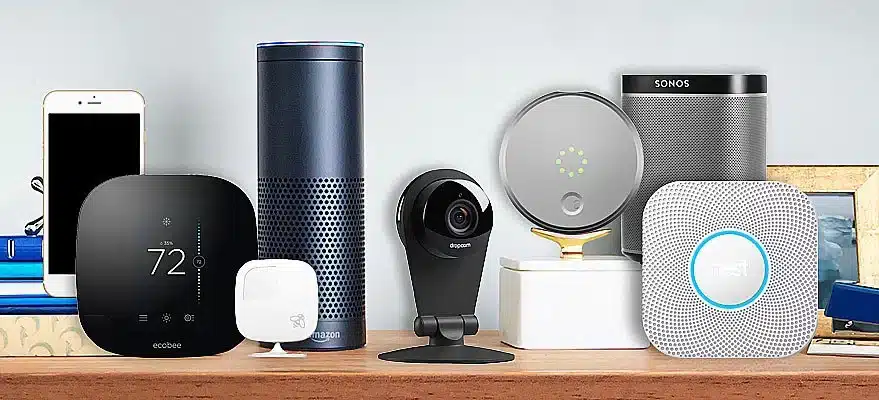
The evolution of smart home technology marks a significant milestone in the digital age. From rudimentary automated appliances to sophisticated systems integrated with artificial intelligence, these devices have transformed how people interact with their living spaces. The global market for smart home devices is witnessing exponential growth, with an increasing number of households adopting these technologies for their convenience and efficiency. These devices, including smart thermostats, voice-controlled assistants, and automated security cameras, have become ubiquitous in homes around the world.
However, this widespread adoption also brings to light important considerations regarding their impact on privacy. As these devices become more integrated into daily life, they collect vast amounts of data about users’ habits, preferences, and routines. This data, while enhancing the functionality of the devices, also presents potential vulnerabilities. The extent of data collected and how manufacturers use it remains a topic of growing concern among privacy advocates and consumers alike.
How Smart Devices Work

Smart home devices operate on a foundation of advanced connectivity and data processing. They rely on Internet connectivity to receive commands, process information and even learn from user interactions to improve functionality. This reliance on the internet is a double-edged sword; while it allows for seamless integration and control of various devices, it also opens pathways for potential security breaches. The devices continuously gather and transmit data, a process integral to their functionality but one that raises questions about data security and privacy.
Moreover, these devices often use artificial intelligence and machine learning to adapt to users’ preferences, creating a more personalized experience. This adaptability, while impressive, further complicates the privacy debate. The AI algorithms require access to personal data to function effectively, thus creating a scenario where users must trade some level of privacy for convenience. Understanding this trade-off is crucial for users to make informed decisions about the use of smart home technology in their daily lives.
The Privacy Concerns

The primary concern with smart home devices lies in the nature and extent of the data they collect. These devices can gather detailed information about a user’s daily routine, personal preferences, and even conversations in the home. This data, if not properly secured, can be vulnerable to hacking, leading to potential privacy breaches. There have been instances where smart devices were compromised, resulting in unauthorized access to personal information and raising significant security concerns.
In addition to hacking risks, there is also the concern of how manufacturers use the collected data. Some companies may use this data for targeted advertising or sell it to third parties, practices that many users may not be aware of or comfortable with. The lack of transparency in data usage policies further complicates the trust relationship between users and manufacturers. As smart home devices become more prevalent, understanding these privacy implications is crucial for users who wish to maintain control over their personal information in the digital age.
Manufacturer’s Perspective

Smart home device manufacturers often emphasize their commitment to user privacy and security. Many leading companies have developed robust security protocols and regularly update their software to protect against potential breaches. These firms argue that they are acutely aware of the sensitivity of user data and take proactive steps to ensure its safety. They often highlight features such as end-to-end encryption, secure data storage, and the option for users to control data-sharing preferences. Additionally, many manufacturers provide detailed privacy policies outlining how user data is collected, used, and protected.
However, despite these assurances, skepticism remains among some users and privacy advocates. Critics argue that privacy policies can be complex and not always transparent, making it difficult for users to fully understand the extent of data collection and usage. There is also concern about the long-term commitment of these companies to privacy, especially in the face of evolving business models and market pressures. The balance between providing advanced, data-driven services and ensuring user privacy is a continual challenge for manufacturers, one that requires constant vigilance and adaptation to emerging threats and privacy standards.
Legal And Ethical Aspects

The legal framework governing the use of smart home devices and the protection of user data is still in a state of evolution. In many jurisdictions, existing privacy laws are struggling to keep pace with the rapid advancement of technology. This legal gap presents challenges in defining and enforcing data privacy rights for smart device users. The absence of stringent regulations can leave users vulnerable to privacy intrusions, making it imperative for stronger and more specific privacy laws tailored to modern technology. In regions with more developed legal frameworks, such as the European Union’s General Data Protection Regulation (GDPR), users have greater control over their data, but challenges remain in global standardization.
Ethical considerations are also at the forefront of the smart home device debate. The ethical handling of data, especially in terms of consent and user awareness, is a critical issue. Many users are unaware of the extent of data collection and how it is used, raising ethical questions about informed consent. Companies and lawmakers are being called upon to not only comply with legal standards but also to consider the broader ethical implications of their practices. This includes being transparent with users, ensuring data is used responsibly, and providing clear options for users to opt out of data collection.
User Control And Responsibility

The responsibility for safeguarding privacy does not lie solely with manufacturers; users also play a crucial role. It’s essential for users to be proactive in understanding and managing their smart home devices. This includes familiarizing themselves with privacy settings, regularly updating device software, and securing their home networks against potential intrusions. Users should also be vigilant about the types of data their devices are collecting and how this information is being used. By taking these steps, users can significantly reduce the risk of privacy breaches and take control of their digital footprint.
Educating oneself about the capabilities and risks associated with smart home devices is another important aspect of user responsibility. Awareness campaigns and educational resources can empower users to make informed decisions about the devices they choose to incorporate into their homes. Users should also stay abreast of the latest developments in smart home technology and privacy concerns, as this field is continuously evolving. Through informed decision-making and proactive management of their devices, users can enjoy the benefits of smart home technology while minimizing risks to their privacy.
The Future Of Smart Home Technology

Looking towards the future, the smart home technology landscape is expected to continue its rapid evolution. Innovations in AI, machine learning, and internet connectivity are likely to lead to even more advanced and integrated smart home systems. These advancements promise enhanced convenience and efficiency, but they also bring new challenges in terms of privacy and security. The industry is likely to see an increased focus on developing technologies that are not only smart but also secure and respectful of user privacy.
User feedback and market demand will play a significant role in shaping the future of smart home devices. As users become more aware of privacy issues, there is likely to be greater demand for devices that prioritize data security and user control. This could lead to a shift in the industry, with manufacturers placing a greater emphasis on privacy by design and transparent data practices. The future of smart home technology will be defined by a balance between innovation and responsibility, with both manufacturers and users playing pivotal roles in navigating the complex landscape of privacy in the digital age.
Navigate The Smart Tech Terrain Wisely
The intersection of smart home technology and privacy is a dynamic and evolving landscape. As users, staying informed and proactive is paramount in safeguarding personal data. This involves not only understanding the capabilities of smart devices but also actively managing privacy settings and advocating for stronger privacy measures. The future of smart home technology offers immense potential, but it is the collective responsibility of users, manufacturers, and lawmakers to ensure that this future is secure and respectful of privacy.


