Every year, enthusiasts and foragers alike venture out to collect what they believe are nature’s bounties, only to fall victim to the deceptive appearances of toxic plants. These plants, disguised as culinary delights, are widespread and varied, posing significant risks to the unwary. Understanding the difference between safe and poisonous plants is not just a matter of culinary interest but one of vital importance. This post delves into some of the most common yet dangerous flora mistaken for edible ones, highlighting their characteristics, toxicities, and the essential knowledge needed to avoid a potentially fatal mistake.
The Lure Of Wild Foraging
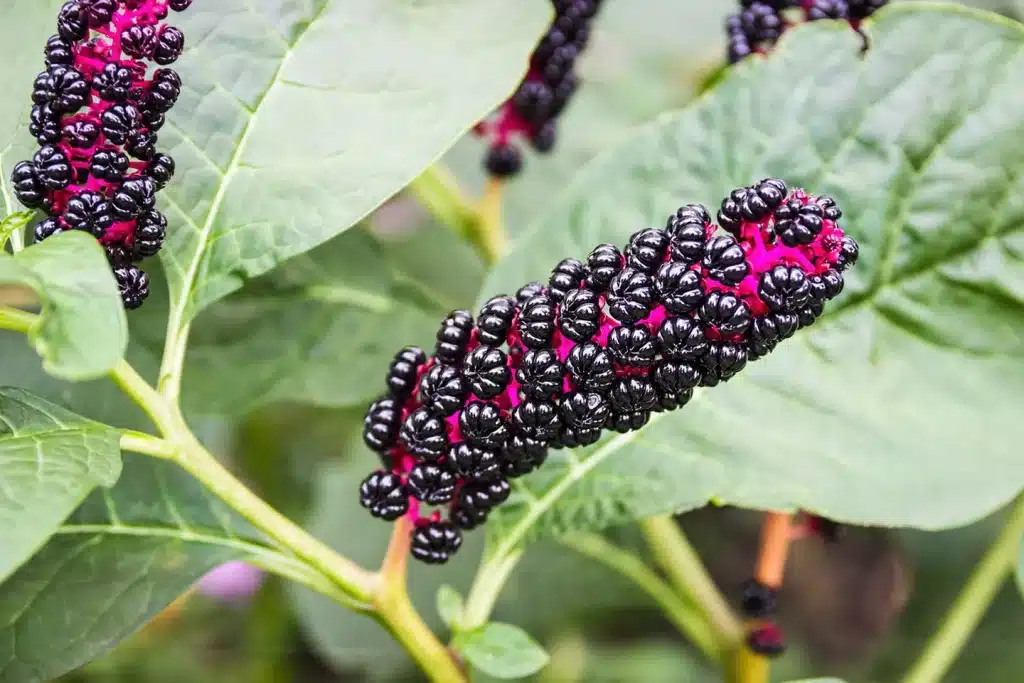
The allure of wild foraging lies in the quest to reconnect with nature and the thrill of finding and preparing your own food. People are drawn to the idea of living off the land, picking fresh, organic produce straight from the earth. However, this seemingly innocent practice is not without its perils. The increasing popularity of wild foraging has led to a surge in the number of individuals seeking out wild plants, many of whom lack the necessary expertise to differentiate between edible and poisonous species. This trend underscores the need for caution and education in recognizing and handling wild plants.
Despite the risks, foraging continues to attract a wide audience, from culinary enthusiasts to survivalists. The appeal of self-sufficiency and the desire to return to a more natural diet fuel this interest. Foragers revel in the discovery of wild herbs, berries, and mushrooms, often unaware of the lurking dangers. Misidentification is alarmingly common and can lead to severe health implications or even death. As such, the pursuit of wild edibles demands respect, knowledge, and a keen eye for detail to avoid the potential pitfalls hidden among nature’s bounty.
Deadly Nightshade: Beautiful But Deadly

Deadly Nightshade, or Atropa belladonna, is infamous for its toxic properties and misleadingly luscious berries. This plant is often found in wooded areas of Europe, North America, and parts of Asia, bearing dark purple, almost black berries that seem inviting. Its leaves are broad, and its bell-shaped flowers can captivate any unwary admirer. Historically, it has been associated with witchcraft and medicine due to its potent alkaloids. However, its beauty belies the danger it poses, making it a prime example of nature’s deceit.
The effects of ingesting Deadly Nightshade are both rapid and severe. Symptoms include dilated pupils, blurred vision, headaches, hallucinations, and convulsions. In extreme cases, it can lead to respiratory failure and death. The plant contains atropine, scopolamine, and hyoscyamine, all of which disrupt the nervous system’s normal functioning. These alkaloids are so potent that just a handful of berries can prove fatal to an adult, making it one of the most dangerous plants mistaken for edible fruit. Awareness and caution are paramount when encountering this or similar-looking plants.
Oleander: The Poisonous Shrub

Oleander, with its vibrant flowers and hardy nature, is a common decorative shrub found in many gardens and public spaces. Its widespread cultivation is due to its attractive appearance and ability to thrive in poor soil and harsh conditions. The plant comes in various colors, including pink, red, and white, making it a popular choice for landscaping. Despite its beauty, every part of the Oleander plant is highly toxic, containing compounds that can be lethal if ingested, making its presence a hidden danger in many environments.
Ingesting any part of the Oleander plant can have devastating effects on the human body. Symptoms of Oleander poisoning include stomach pain, dizziness, disorientation, and irregular heart rate. In severe cases, it can lead to fatal cardiac complications. The plant’s toxins, known as cardiac glycosides, directly affect the heart muscle, leading to potential heart failure. Even inhaling the smoke from burning Oleander can cause severe respiratory issues, illustrating the plant’s extensive toxic nature. Oleander serves as a stark reminder that not all beautiful plants are harmless and that the danger can sometimes lurk in the most familiar of places.
Foxglove: Heartbreak in Bloom

Foxglove, or Digitalis purpurea, enchants with its tall spikes of bell-shaped flowers ranging in color from purple to white. Found in woodland clearings and hedge banks, its picturesque appearance has made it a favorite in gardens and wild bouquets. The plant has a long history of medicinal use, primarily for treating heart conditions, due to its digitalin content. However, the line between medicine and poison is thin with Foxglove, as its therapeutic dose is dangerously close to its toxic dose.
The consequences of Foxglove ingestion are dire, particularly affecting the cardiovascular system. Symptoms include nausea, vomiting, diarrhea, and a slew of cardiac issues such as irregular heartbeat and potentially fatal arrhythmias. The plant’s digitalis affects the heart’s contraction, making it a useful drug under controlled conditions but a deadly poison when misused. Gardeners, hikers, and pets are at risk of poisoning from mere casual contact or accidental ingestion. The beauty of Foxglove, while undeniable, serves as a cautionary tale of the delicate balance between nature’s remedies and poisons, emphasizing the need for respect and understanding of the plants you grow and encounter.


