Skip to content

Surprising Household Cleaners That Can Endanger Your Family

Maintaining a clean home is a priority for many, yet the safety of the cleaning agents they use often goes unquestioned. Surprisingly, several common household cleaners harbor ingredients that can potentially endanger your family. From respiratory problems to chemical burns, the consequences of using these products can be severe. This post unveils the hidden dangers of popular cleaning solutions, aiming to inform and guide readers toward safer alternatives. By understanding the risks associated with each cleaner, families can make informed decisions to protect their health and well-being.

Bleach-Based Cleaners
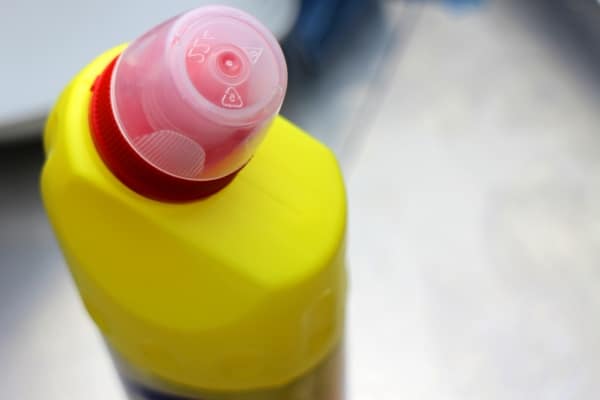
Household Cleaners That Can Endanger Your Family

Bleach is a staple in many households for its powerful disinfecting properties. However, its active ingredient, sodium hypochlorite, poses significant health risks when inhaled or if it comes into contact with skin. Inhalation of bleach fumes can irritate the respiratory tract and cause coughing, breathing difficulties, and even pulmonary edema in severe cases. Skin exposure can result in chemical burns, while ingestion can lead to poisoning, necessitating immediate medical attention. It’s crucial to handle bleach with care, using it in well-ventilated areas and wearing protective gear.

Despite its cleaning prowess, bleach can also become a hazardous chemical when mixed with other substances. Combining bleach with ammonia or acidic cleaners releases toxic chloramine gas or chlorine gas, respectively, both of which can have deadly consequences. These dangers highlight the importance of reading labels and ensuring safe use practices. There are safer alternatives to bleach, such as hydrogen peroxide or vinegar, for certain cleaning tasks, significantly reducing the risk of chemical accidents and health issues.

Ammonia-Based Products

Household Cleaners That Can Endanger Your Family

Ammonia is another common component found in many cleaning products, valued for its effectiveness in cutting through grime and polishing surfaces. However, ammonia emits strong fumes that can irritate the eyes, throat, and lungs, making it particularly harmful in enclosed spaces without adequate ventilation. Prolonged exposure can lead to chronic respiratory conditions and other health problems. Its high volatility also increases the risk of chemical burns upon direct contact with skin or eyes.

The dangers of ammonia are compounded when it is inadvertently mixed with bleach, producing a highly toxic gas that can lead to severe respiratory distress or even fatalities. This potential for chemical interaction underscores the necessity of storing and using cleaning products safely. Alternatives like baking soda and vinegar offer a safer, yet effective, solution for many cleaning tasks, reducing the health risks associated with ammonia without compromising cleanliness.

Air Fresheners and Deodorizers

Household Cleaners That Can Endanger Your Family

Air fresheners and deodorizers are commonly used to mask odors and improve indoor air quality. However, these products often contain volatile organic compounds (VOCs), artificial fragrances, and other chemicals that pose health risks, especially when used frequently in poorly ventilated areas. Exposure to these substances can trigger headaches, respiratory issues, and allergic reactions in sensitive individuals. The long-term health effects of continuous exposure to these chemicals are concerning, with studies suggesting a link to more serious conditions.

Despite their pleasant scents, air fresheners and deodorizers can contribute to indoor air pollution, creating an environment that is counterintuitive to the health and safety of household occupants. Natural alternatives, such as essential oil diffusers, activated charcoal, and baking soda, provide safer ways to freshen indoor air. These options minimize health risks and promote a more environmentally friendly approach to maintaining a fresh and pleasant home environment.

Drain Cleaners

Surprising Household Cleaners That Can Endanger Your Family

Drain cleaners are among the most potent household chemicals, formulated to dissolve tough clogs in sinks and toilets. Their high efficacy, however, comes from powerful ingredients such as sodium hydroxide or sulfuric acid, which can cause severe burns to skin and eyes upon contact. The fumes emitted by these chemicals are also hazardous, capable of causing respiratory distress if inhaled in confined spaces. Accidental ingestion of drain cleaner is particularly dangerous, leading to severe internal injuries or even death, underscoring the critical importance of safe storage and handling.

Despite their effectiveness, the aggressive nature of chemical drain cleaners raises concerns about their impact on plumbing systems and the environment. These products can corrode pipes over time and contribute to pollution in water systems. Safer alternatives, like physical drain snakes or natural solutions combining baking soda and vinegar, offer effective clog removal without the associated health and environmental risks. Adopting these methods can protect your family’s health while ensuring the longevity of your home’s plumbing infrastructure.
Antimicrobial Sprays and Wipes

Household Cleaners That Can Endanger Your Family

Antimicrobial sprays and wipes are touted for their ability to kill germs and prevent the spread of illness. While they play a crucial role in maintaining hygiene, the overuse of these products can lead to the development of antibiotic-resistant bacteria, posing a significant threat to public health. Furthermore, the chemicals found in many antimicrobials can irritate the skin, eyes, and respiratory system, especially with frequent use. The balance between effective disinfection and the potential for contributing to resistance and causing adverse health effects is delicate.

In addition to resistance concerns, the environmental impact of disposable wipes and the chemical residues left by sprays are important considerations. Opting for products with less harsh chemicals or using alternatives like alcohol-based solutions and steam cleaning can provide effective disinfection without the downsides associated with traditional antimicrobials. Such practices not only ensure a clean home but also support a healthier ecosystem and reduce the risk of adverse health outcomes.

Oven Cleaners

Household Cleaners That Can Endanger Your Family

Oven cleaners are designed to tackle burnt-on grease and food residues, relying on caustic chemicals like sodium hydroxide to break down tough stains. While they make oven cleaning less labor-intensive, these substances pose serious health risks. Skin or eye contact can result in burns, and inhalation of the fumes can irritate the respiratory system, highlighting the need for protective gear and ventilation during use. Moreover, the residue left by these cleaners can potentially contaminate food, posing a risk to family members unaware of the recent cleaning.

The harsh reality of oven cleaners calls for a reassessment of how you approach kitchen hygiene. Fortunately, there are safer ways to achieve a sparkling clean oven. A paste made from baking soda and water applied and left overnight can loosen grime, allowing for easy removal without hazardous chemicals. Such methods not only minimize health risks but also reduce the environmental footprint associated with disposing of chemical-laden cleaners, offering a responsible and effective cleaning solution.

Furniture Polish and Waxes

Household Cleaners That Can Endanger Your Family

Furniture polish and waxes are used to enhance the appearance of wooden furniture, leaving a shiny, protective coating. However, the solvents and petroleum-based products often found in these polishes can pose health risks when inhaled, leading to headaches, dizziness, and respiratory irritation. Frequent use in poorly ventilated areas amplifies these risks, and accidental ingestion or skin contact can be particularly dangerous for children and pets. The allure of a polished surface must be weighed against the potential for harm these products can cause.

The move towards safer furniture care practices is gaining momentum, with many seeking natural alternatives that nourish wood without the use of harmful chemicals. Olive oil and lemon juice, for example, can create a natural polish that safely conditions wood, offering a health-conscious alternative to traditional polishes. Beeswax, another safe option, provides a durable finish without the toxic side effects. By choosing these natural alternatives, families can maintain the beauty of their furniture while ensuring their home remains a safe environment for everyone.

Carpet Cleaners

Household Cleaners That Can Endanger Your Family

Carpet cleaners are indispensable for maintaining clean and fresh-smelling carpets, especially in homes with pets and children. However, the chemicals they contain, designed to dissolve stains and odors, can off-gas into the home, contributing to indoor air pollution. This exposure can exacerbate or trigger allergies, asthma, and other respiratory conditions, particularly in children and pets who spend more time in close contact with carpeted floors. The environmental persistence of these chemicals also raises concerns, as they can linger in the home environment long after cleaning.

Recognizing the potential risks associated with traditional carpet cleaning solutions, many homeowners are turning to greener alternatives. Ingredients like vinegar, baking soda, and mild dish soap can be used to create effective, natural carpet cleaning solutions that pose fewer health risks. Additionally, steam cleaning offers a powerful, chemical-free way to deep clean carpets, killing bacteria and removing dirt without leaving harmful residues. Adopting these methods can ensure carpets remain clean and safe for all household members.

Embrace Safer Cleaning for a Healthier Home

As you uncover the hidden dangers lurking in common household cleaners, it becomes crucial to prioritize the health and safety of your family. Opting for safer alternatives not only mitigates these risks but also contributes to a healthier environment. Let this knowledge empower you to make informed decisions about the products you use in your home. Embrace the shift towards greener, safer cleaning practices today, and safeguard the well-being of your loved ones for tomorrow.