Health and Wellness Tech

Health and wellness technology innovations are transforming homes into spaces that provide comfort and actively contribute to their inhabitants’ well-being. Smart health monitoring devices, like wearables that track vital signs and smart scales that analyze body composition, are increasingly becoming part of the home ecosystem. These devices sync with smartphones and other home systems, offering insights into health trends and enabling a proactive approach to wellness.
The future of this technology points towards more integrated health systems within the home. Imagine smart mirrors providing health and fitness feedback or bathrooms with sensors that analyze health indicators through daily routines. This integration promises a holistic approach to health management, where technology plays a crucial role in maintaining and improving individuals’ well-being within the comfort of their homes.
Automation in Home Maintenance

Automation takes over home maintenance, making chores less tedious and more efficient. Robotic vacuum cleaners and lawnmowers are just the beginning. These devices operate autonomously, learning the home’s layout and adjusting their routines for optimal cleaning or mowing. Additionally, automated kitchen appliances, like smart ovens and refrigerators, enhance the cooking experience by suggesting recipes based on available ingredients and cooking meals to perfection.
The potential for automation in home maintenance is vast. Future homes may feature self-cleaning windows or gutters, automated plant watering systems, and laundry robots. These advancements will not only save time but also transform the concept of home maintenance, allowing homeowners to focus more on enjoying their homes and less on the upkeep.
The Internet of Things (IoT) and Home Integration

The Internet of Things (IoT) is a key driver in the evolution of smart homes. It refers to the network of interconnected devices that communicate and work together to enhance the functionality of a home. IoT is making homes more responsive and interconnected, from smart refrigerators that keep track of groceries to heating systems that adjust based on weather forecasts.
As IoT technology advances, the level of home integration will deepen. Future homes could feature systems communicating within the home and with external services for greater efficiency and convenience. For example, a car communicates with the home’s heating system to ensure the house is warm when the owner arrives. This interconnectedness will create homes that are not isolated units but part of a larger, integrated network of devices and services.
Personalized Living Spaces
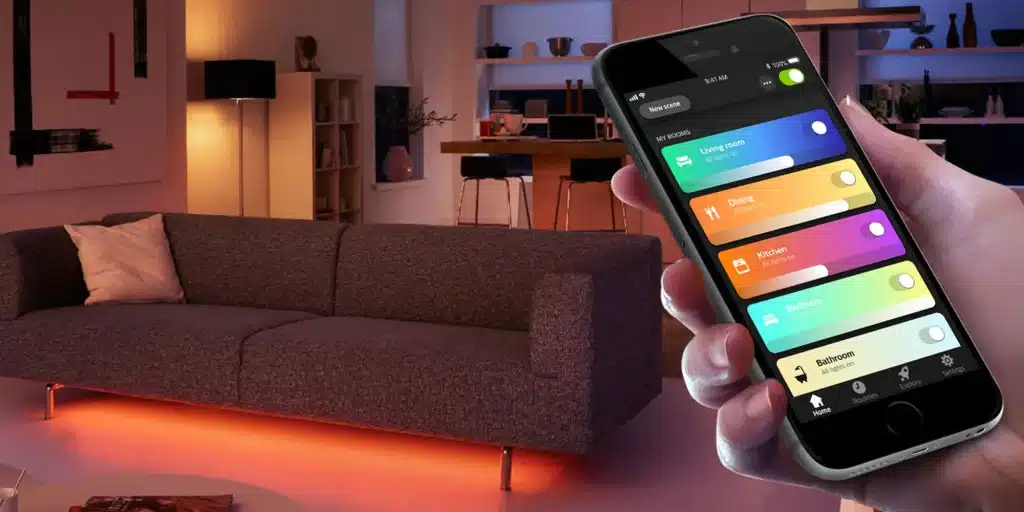
The personalization of living spaces is becoming increasingly important in smart home technology. Smart lighting systems that adjust based on mood, time of day, or activity, and sound systems that personalize acoustics for different rooms are examples of how technology can cater to individual preferences. This personalization also extends to aesthetics, with digital art frames and customizable interior designs that change with the touch of a button.
In the future, personalization will likely involve more sophisticated AI algorithms that adapt to preferences, anticipate needs, and make recommendations. Homes will not just respond to commands; they will offer suggestions and adjustments to create the most comfortable and pleasing environments tailored to the unique preferences of each inhabitant.
The Bottom Line
The realm of smart home technology is evolving at a breathtaking pace, redefining the way we live and interact with our living spaces. From voice-controlled assistants to sustainable living solutions, these innovations are not just about convenience; they are about creating homes that are more secure, efficient, and in tune with the needs of their inhabitants. As we look towards the future, it’s clear that the concept of a ‘home’ is being transformed by technology, offering exciting possibilities for a more connected, personalized, and sustainable lifestyle. The journey towards smarter homes is ongoing, and it promises to bring about changes that will continue to shape our daily lives and interactions with the spaces we call home.


