Homeowner Consumer Guide
Home Improvements That Might Not Be Worth the Money
A plain-language look at renovations that often cost more than they return, and how to decide before you spend.
Many homeowners assume that every renovation adds dollar-for-dollar value, but the reality is more complicated. Home improvements that might not be worth the money tend to share a few traits: they are expensive, highly personal, tied to passing trends, or well beyond what is typical for the surrounding neighborhood. That does not mean these projects are always a mistake, since enjoyment and daily comfort count for something real. It does mean that anyone planning a renovation mainly to boost resale value should understand where the gap between cost and return most often appears, and why local conditions, timing and execution can change the outcome.
Why Some Home Improvements Fail to Pay Off at Resale
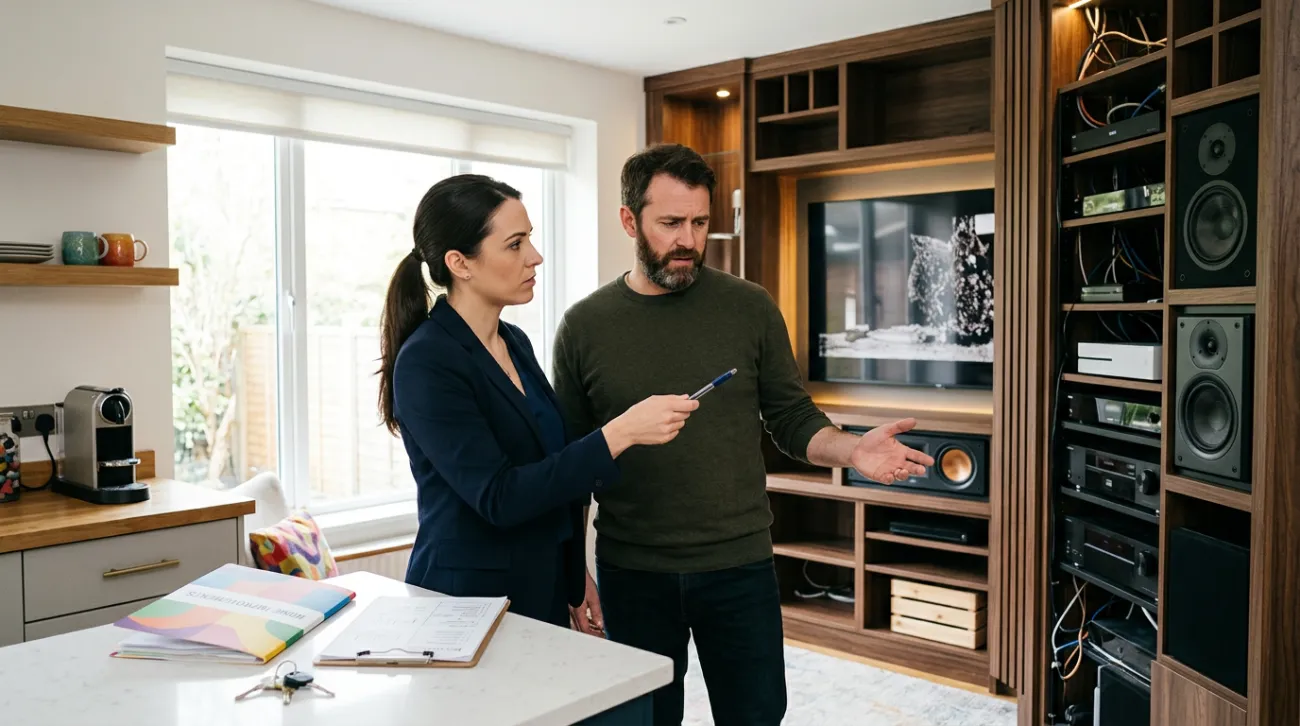
A renovation can be well built and still fail to pay for itself, because a home’s market value is shaped by far more than the work done inside it. Buyers compare a property with similar homes nearby, and appraisers do the same. If a project pushes a house well above the typical level for its street, the market may not follow, no matter how much was spent. Real estate professionals often describe this as overimproving, meaning the house becomes the most elaborate one in a neighborhood where buyers are not looking for that level of finish.
Another reason is the difference between cost and value. What a contractor charges reflects labor, materials, permits and overhead, while what a buyer will pay reflects the broader housing market, local demand and what they personally want. Remodeling industry publications have long released annual cost-versus-value comparisons that set the average price of common projects against the resale value they are estimated to recoup. These reports are useful for comparing project types, but their results are averages that vary by region and by year, so they work best as a starting point rather than a promise.
Finally, there is the matter of purpose. Some upgrades are made for the owner’s lifestyle, such as a dedicated hobby room or an elaborate outdoor kitchen. These can be worthwhile if the owners will use them for years. Problems arise when a project is justified as an investment but is really a personal preference, because the expected return rarely matches the spending.
Overbuilt Kitchen Remodels and High-End Renovation Costs
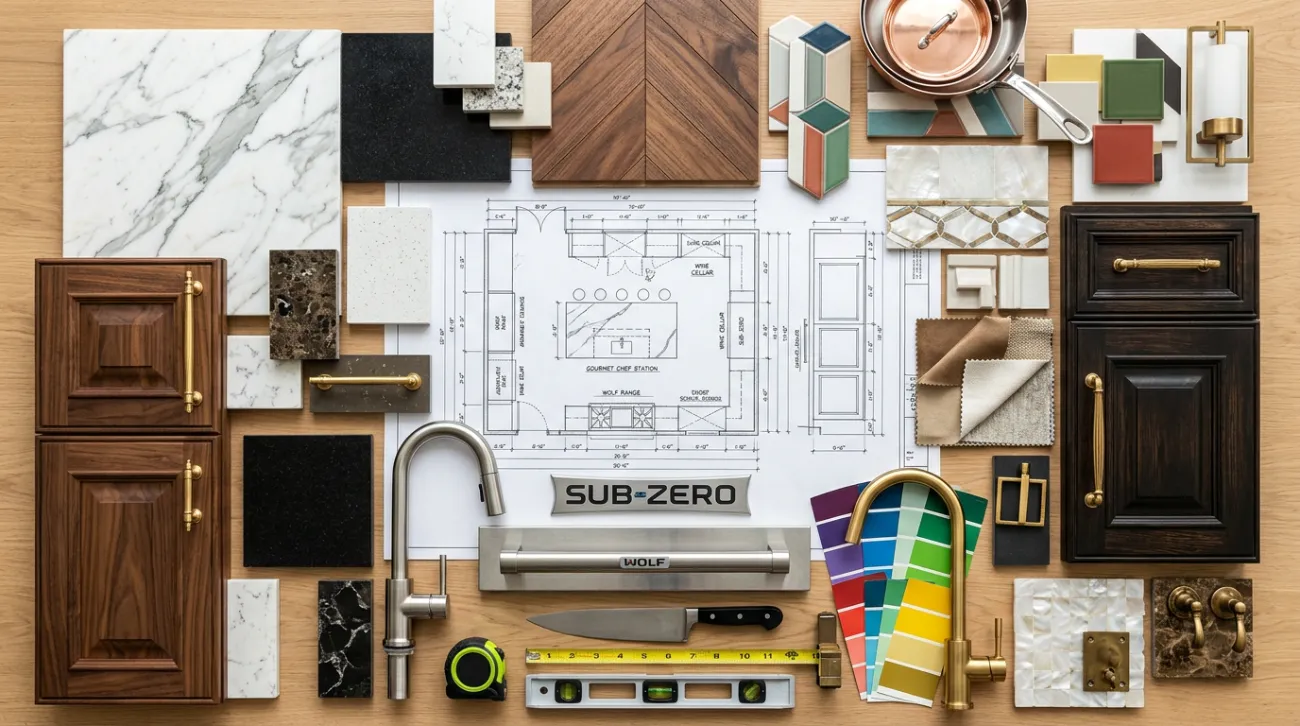
Kitchens are often named as one of the most influential rooms in a sale, which leads many owners to spend heavily on them. The trouble is that a full-scale, top-tier kitchen remodel is usually among the costliest projects a homeowner can take on, and cost-versus-value studies have commonly shown that upscale versions of kitchen projects recover a smaller share of their price than modest ones. A minor refresh, such as new cabinet fronts, updated hardware, fresh paint and modern lighting, frequently delivers more visual impact per dollar than gutting the space.
Professional-grade appliances are a frequent example of spending that may not translate into resale value. Commercial-style ranges and built-in refrigerators carry high price tags, yet many buyers care mostly that the kitchen looks clean, functional and current. Custom cabinetry, imported stone and unusual layouts add to the total in the same way. If the surrounding homes have mid-range kitchens, a luxury kitchen may be admired during a showing without being reflected in the final offer.
None of this means a kitchen should be left worn out. A kitchen in poor condition can discourage buyers, and repairing real problems is different from chasing luxury. The distinction is between bringing a room up to the standard of the neighborhood and building well past it.
Swimming Pools and Other Lifestyle Upgrades
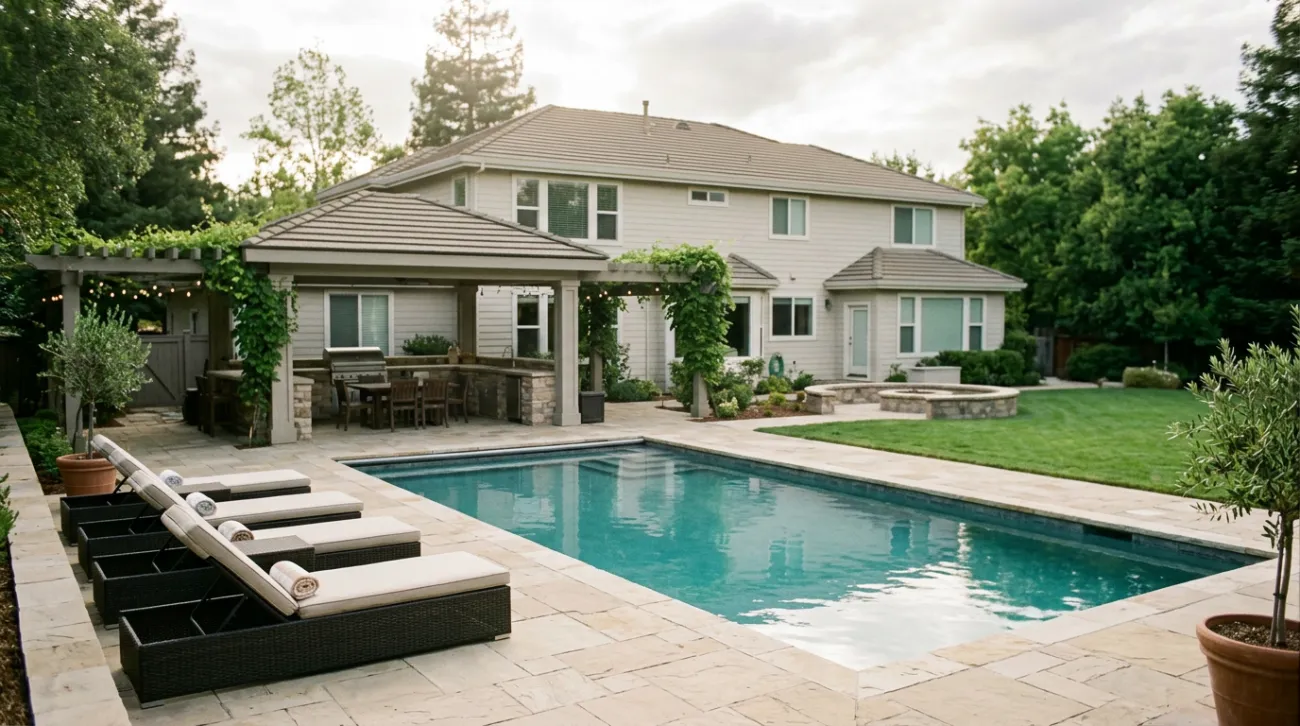
Swimming pools are one of the most commonly cited examples of an improvement that may not return its cost. Installation is a large expense, and ownership brings ongoing costs for chemicals, energy, cleaning, repairs, insurance considerations and seasonal maintenance. Whether a pool helps a sale depends heavily on climate and local expectations. In warm regions where pools are common, buyers may view one as a normal feature. In cooler areas, where a pool can be used for only part of the year, some buyers see it as a burden or a safety concern, especially families with young children.
Other lifestyle upgrades follow a similar pattern. Elaborate outdoor kitchens, built-in entertainment systems, home theaters and putting greens appeal strongly to the people who commission them, but they narrow the pool of buyers who will value them. A feature that delights one household can be an expense to remove or maintain for the next. When an owner plans to stay for many years and will use the feature often, the personal return can justify the spending, but it is wiser to treat that as a lifestyle purchase rather than an investment.
Additions, Sunrooms and Converted Spaces
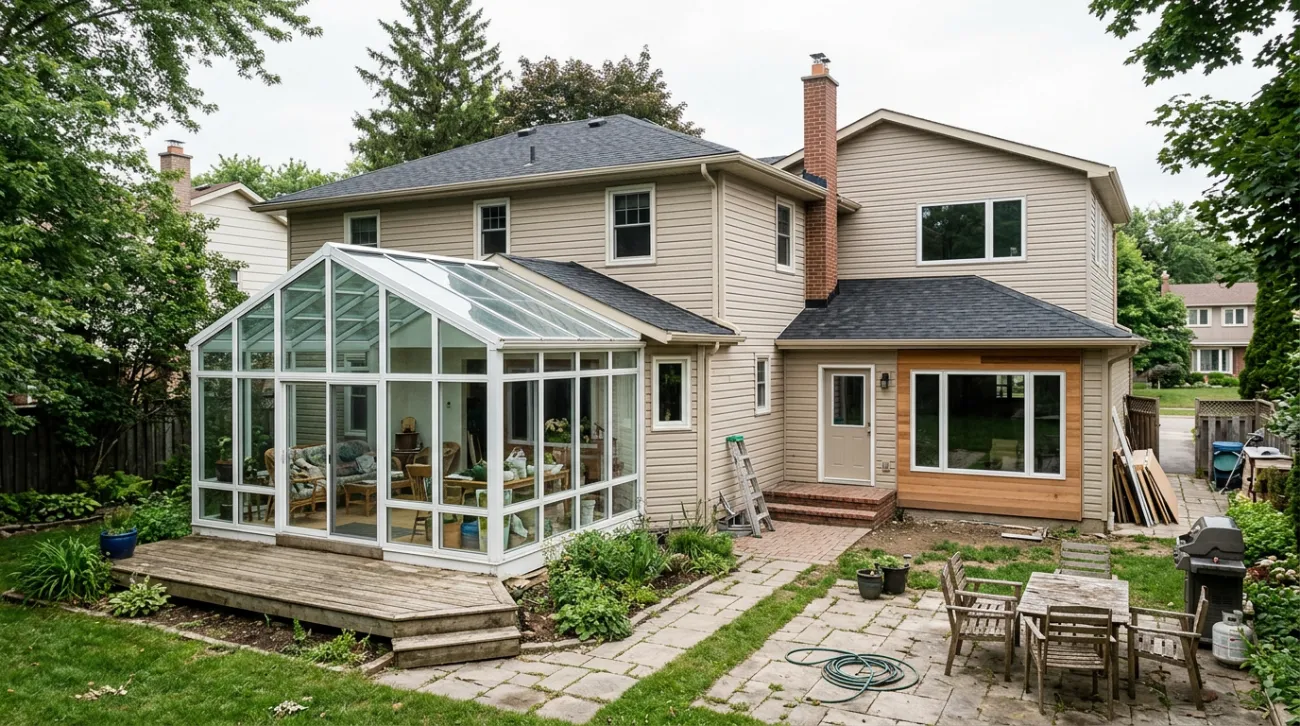
Adding square footage seems like a natural way to raise a home’s value, yet room additions are costly because they involve foundations, framing, roofing, electrical and heating work, and often permits and inspections. Sunrooms are a well-known case. They can be pleasant, but they are not always built to the same standard as the rest of the house, and in many climates they are difficult to heat and cool efficiently. Buyers and appraisers may not count them as full living space, which limits how much value they add.
Converting existing space can also miss the mark. Turning a garage into a living area may remove storage and parking that buyers in many neighborhoods expect. Merging bedrooms to create a larger suite can lower the bedroom count, which matters because listings and buyer searches often depend on it. Finished basements can be a good use of space, but results depend on moisture control, ceiling height, natural light and local norms, and a poorly done basement conversion can leave a buyer worried about hidden problems rather than impressed by extra room.
Permits deserve a special mention here. Unpermitted work can complicate a sale, raise questions during inspections and sometimes require correction at the owner’s cost. Any addition or conversion is safest when it follows local building rules and is documented properly.
Luxury Finishes and Highly Personal Design Choices
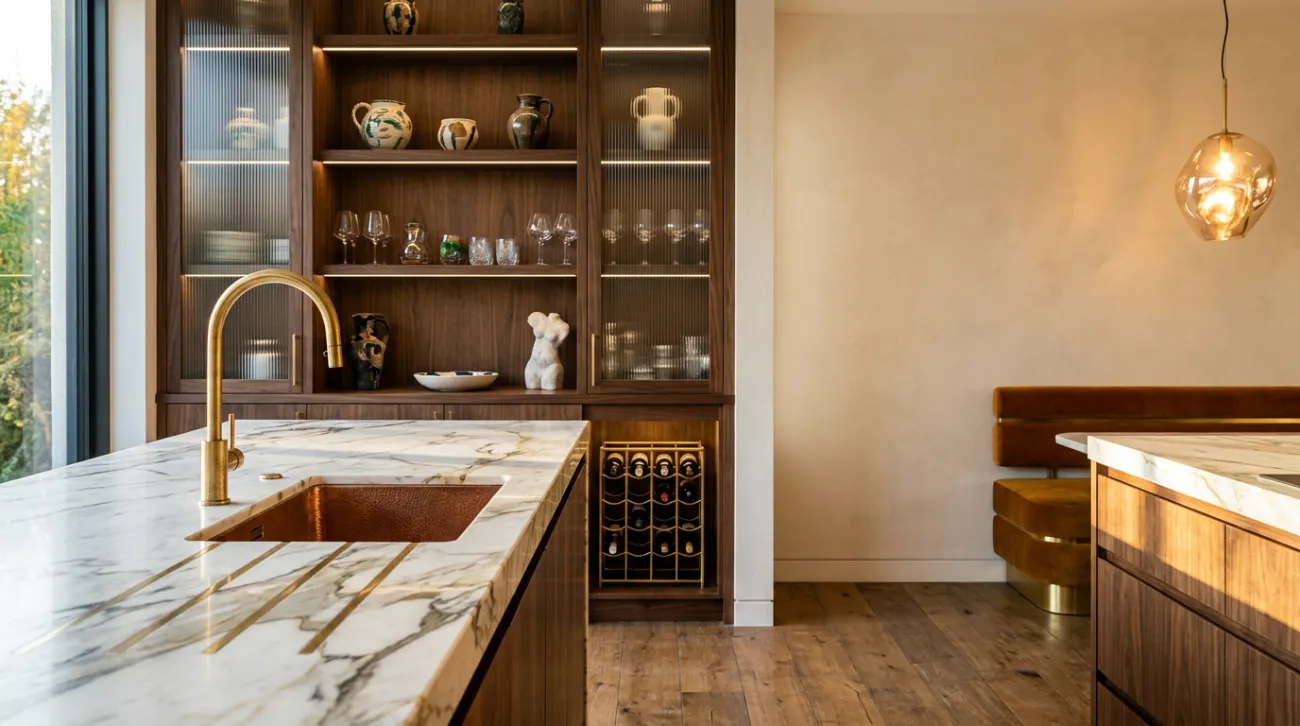
Bathrooms attract the same overspending as kitchens. Steam showers, heated floors, freestanding sculptural tubs and custom tile patterns can raise a budget quickly. These features may be a joy for the people living with them, but a buyer who prefers a simple, clean bathroom may not pay extra for them. Personal taste is the central risk: bold tile, unusual colors, themed rooms and dramatic wallpaper can make a house feel like someone else’s home, and a buyer may mentally add the cost of undoing them.
Flooring offers a similar lesson. Premium materials in unconventional styles can look striking, but neutral, durable surfaces tend to appeal to the broadest range of buyers. Highly customized built-ins, specialty rooms such as wine cellars, and one-of-a-kind architectural details are in the same category. They show craftsmanship, yet craftsmanship is not always what the market rewards. When a feature is hard to remove and easy to dislike, it adds risk as well as cost.