

Things in Your Home That Could Be Wearing Out Faster Than You Think
From overlooked appliances to hidden structural components, many household items deteriorate on shorter timelines than most homeowners realize.
Every home contains dozens of components, appliances, and fixtures that gradually deteriorate with daily use, and many of these items in your home could be wearing out faster than you think. While homeowners often focus on major systems like roofing or HVAC, countless smaller elements quietly degrade over time, potentially leading to unexpected failures, safety hazards, or costly emergency repairs. Understanding the realistic lifespan of common household items empowers you to plan maintenance schedules, budget for replacements, and catch problems before they escalate into serious issues that affect your family’s comfort and safety.
Kitchen Appliances and Their Surprising Expiration Dates
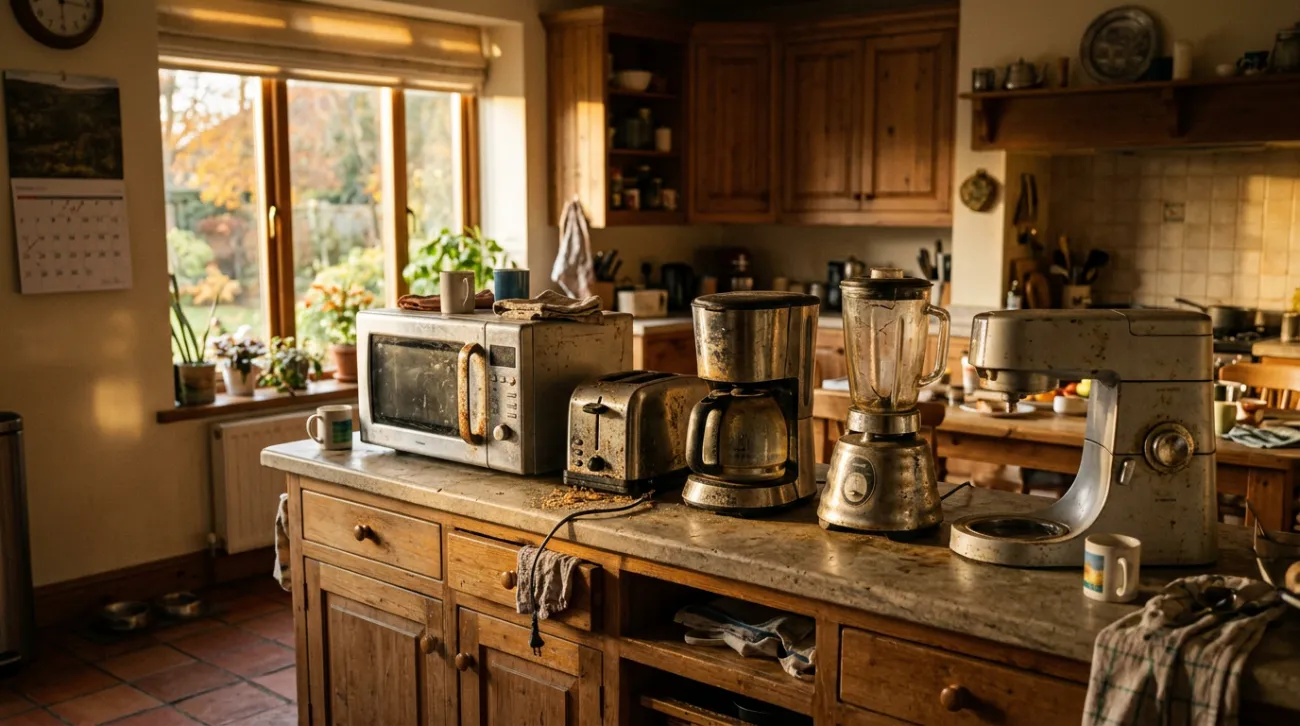
The kitchen serves as the heart of most homes, housing appliances that work tirelessly day after day. Dishwashers, for instance, typically last between nine and twelve years under normal usage conditions, though many homeowners assume these workhorses will endure indefinitely. The constant exposure to water, detergents, and heat takes a cumulative toll on seals, pumps, and electronic controls. Similarly, garbage disposals generally function well for eight to fifteen years, but the grinding mechanism and motor can deteriorate more rapidly in households that frequently process fibrous foods or hard items.
Refrigerators represent one of the more durable kitchen appliances, with average lifespans ranging from ten to twenty years depending on the model and maintenance practices. However, components like door seals, water filters, and condenser coils require regular attention to achieve that upper range. Microwaves present a different story altogether, with most units lasting only around seven to ten years before magnetron tubes and control boards begin failing. The frequent heating and cooling cycles stress internal components in ways that become apparent only when the appliance suddenly stops working properly.
Regular cleaning and proper usage can extend appliance lifespans significantly. Cleaning refrigerator coils, avoiding overloading dishwashers, and following manufacturer guidelines helps maximize the investment in household equipment.
Water Heaters and Plumbing Components That Deteriorate Silently
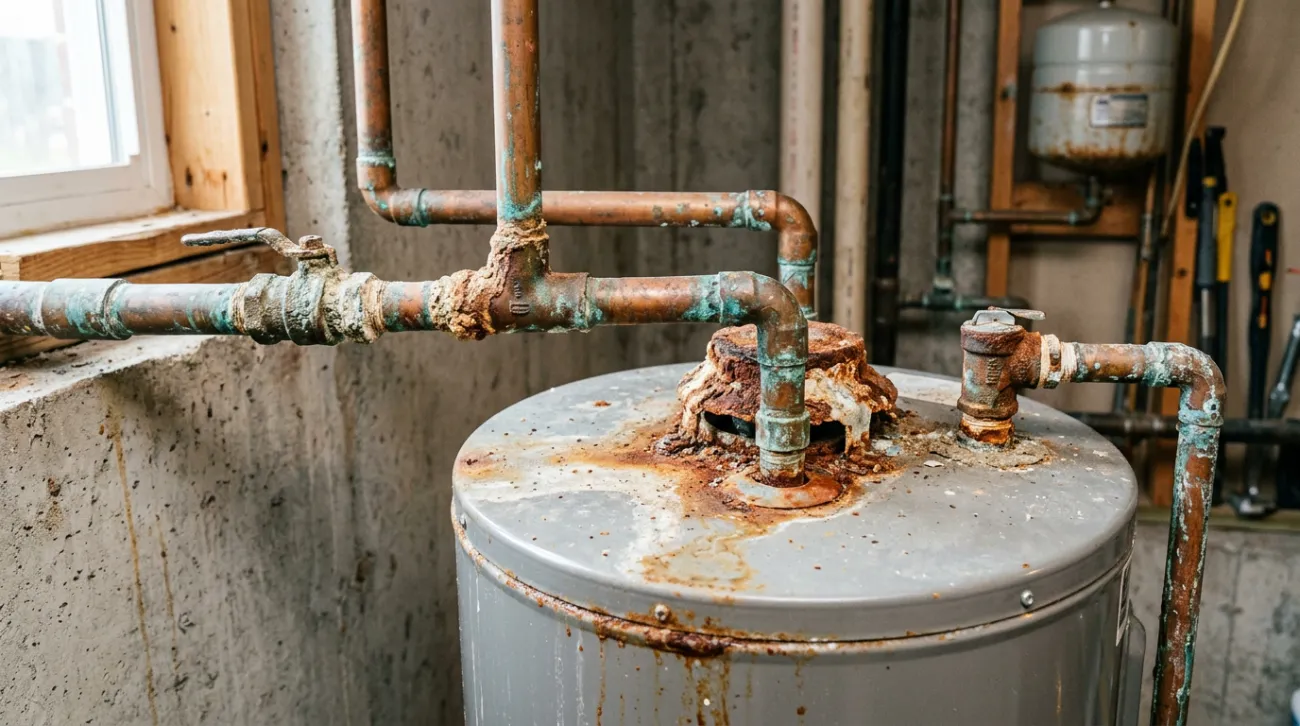
Water heaters rank among the most overlooked appliances in terms of lifespan awareness. Traditional tank water heaters typically last eight to twelve years, while tankless models can extend that range to fifteen to twenty years with proper maintenance. However, the anode rod inside tank heaters—a sacrificial component designed to prevent tank corrosion—often needs replacement every three to five years. When homeowners neglect this maintenance, tank deterioration accelerates dramatically, potentially leading to catastrophic leaks that can cause extensive water damage.
Beneath sinks and behind walls, supply hoses and shut-off valves silently age. Rubber washing machine hoses, in particular, present a hidden risk, with many plumbing professionals recommending replacement every three to five years regardless of apparent condition. The sudden failure of these hoses can release hundreds of gallons of water in minutes, making proactive replacement far more economical than emergency repairs. Toilet flappers and fill valves similarly degrade, with most requiring replacement every four to seven years to prevent continuous running and water waste.
Typical Lifespan Ranges for Common Household Items
Heating and Cooling Equipment Lifespan Realities
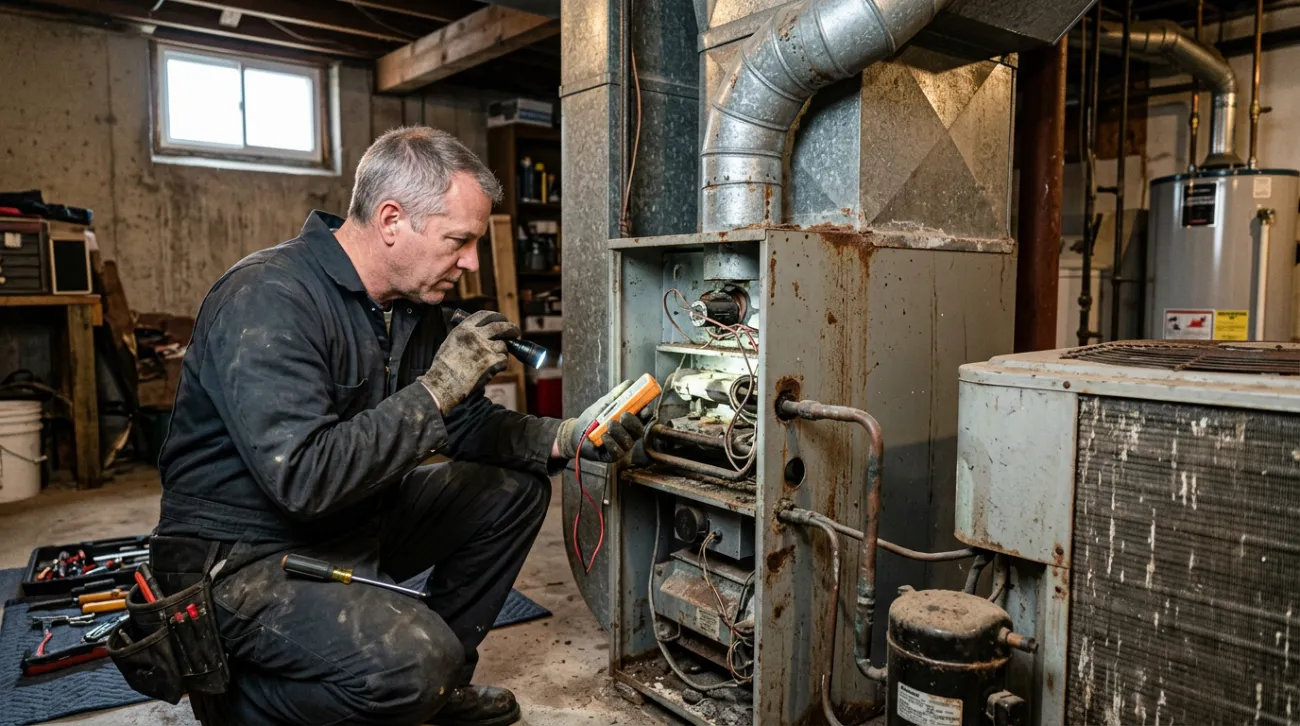
Central air conditioning units and furnaces represent significant household investments, yet their lifespans often fall short of homeowner expectations. Air conditioning compressors and condenser units typically function effectively for ten to fifteen years, though this range depends heavily on climate, usage patterns, and maintenance frequency. Furnaces generally last fifteen to twenty years, with heat exchangers representing the most critical component to monitor for cracks or deterioration that could pose carbon monoxide risks.
The supporting components of HVAC systems often wear out faster than the main units themselves. Blower motors may need replacement every ten to fifteen years, while thermostats—especially older mechanical models—can become inaccurate or fail after a decade of service. Ductwork, though generally durable, can develop leaks at joints and seams over time, reducing system efficiency and increasing energy costs. Perhaps most critically, HVAC filters require replacement every one to three months depending on the filter type and household conditions, yet many homeowners neglect this basic maintenance task until airflow problems become apparent.
Air conditioning efficiency naturally decreases over time even in well-maintained systems. Units that once cooled homes effectively may struggle as refrigerant levels decline, coils become dirty, and electrical connections loosen. Annual professional inspections help identify these gradual changes before they result in complete system failure during peak usage periods.
Smoke Detectors and Carbon Monoxide Alarms Need Regular Replacement
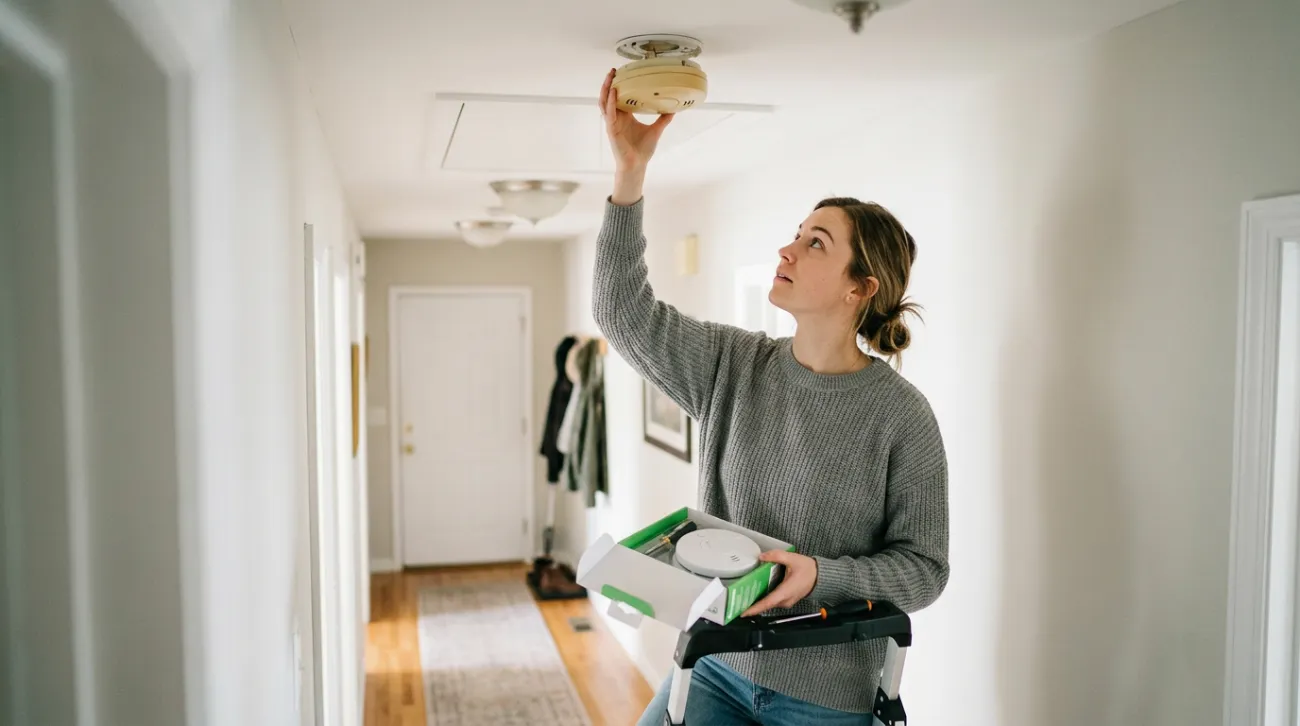
Home safety devices operate quietly in the background until needed, leading many homeowners to forget that these critical components have definite expiration dates. Smoke detectors should be replaced every eight to ten years, as the sensors that detect smoke particles degrade over time and become less sensitive. This degradation occurs regardless of whether the alarm has ever been triggered, making age-based replacement essential rather than optional. Monthly testing verifies that alarms function, but cannot assess sensor sensitivity.
Carbon monoxide detectors follow similar replacement guidelines, with most manufacturers recommending replacement every five to seven years. The electrochemical sensors in these devices gradually lose their ability to accurately detect dangerous gas levels, potentially providing false security to homeowners. Fire extinguishers, another commonly overlooked safety item, require professional inspection annually and replacement or professional recharging every five to twelve years depending on the type. The pressure gauges on portable extinguishers provide some indication of readiness, but internal component degradation requires professional assessment.
Replace every 8–10 years regardless of testing results. Sensors degrade naturally over time.
Replace every 5–7 years. Electrochemical sensors lose accuracy with age.
Professional inspection annually. Replace or recharge every 5–12 years.
Replace every 3–5 years. Protection degrades with each power surge absorbed.
Caulking, Weatherstripping, and Sealants Require Ongoing Attention
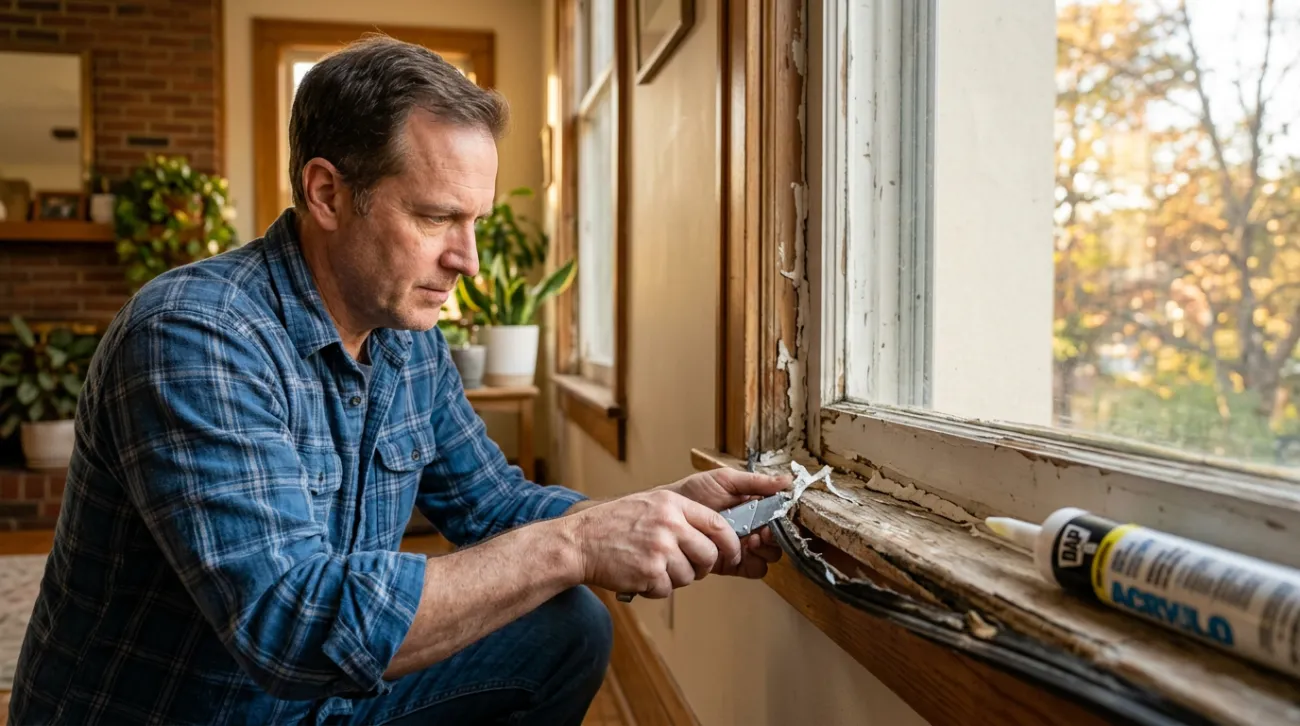
The materials that seal gaps and prevent moisture intrusion throughout homes deteriorate continuously from exposure to temperature fluctuations, ultraviolet light, and moisture. Exterior caulking around windows, doors, and siding penetrations typically requires replacement every five to ten years, though harsh climates can accelerate this timeline significantly. When these sealants fail, water infiltration can damage framing, insulation, and interior finishes in ways that remain hidden until extensive damage has occurred.
Weatherstripping around doors and windows wears down through daily use, with foam and rubber types lasting only two to four years before compression and material breakdown reduce their effectiveness. Even higher-quality silicone or vinyl weatherstripping rarely lasts more than five to eight years. The grout between tiles in bathrooms and kitchens similarly deteriorates, allowing moisture to penetrate behind surfaces and potentially fostering mold growth. Re-grouting every few years in high-moisture areas prevents water damage to underlying structures and maintains the integrity of tiled surfaces.


