

Surge Protectors and Backup Batteries Have Hidden Expiration Points
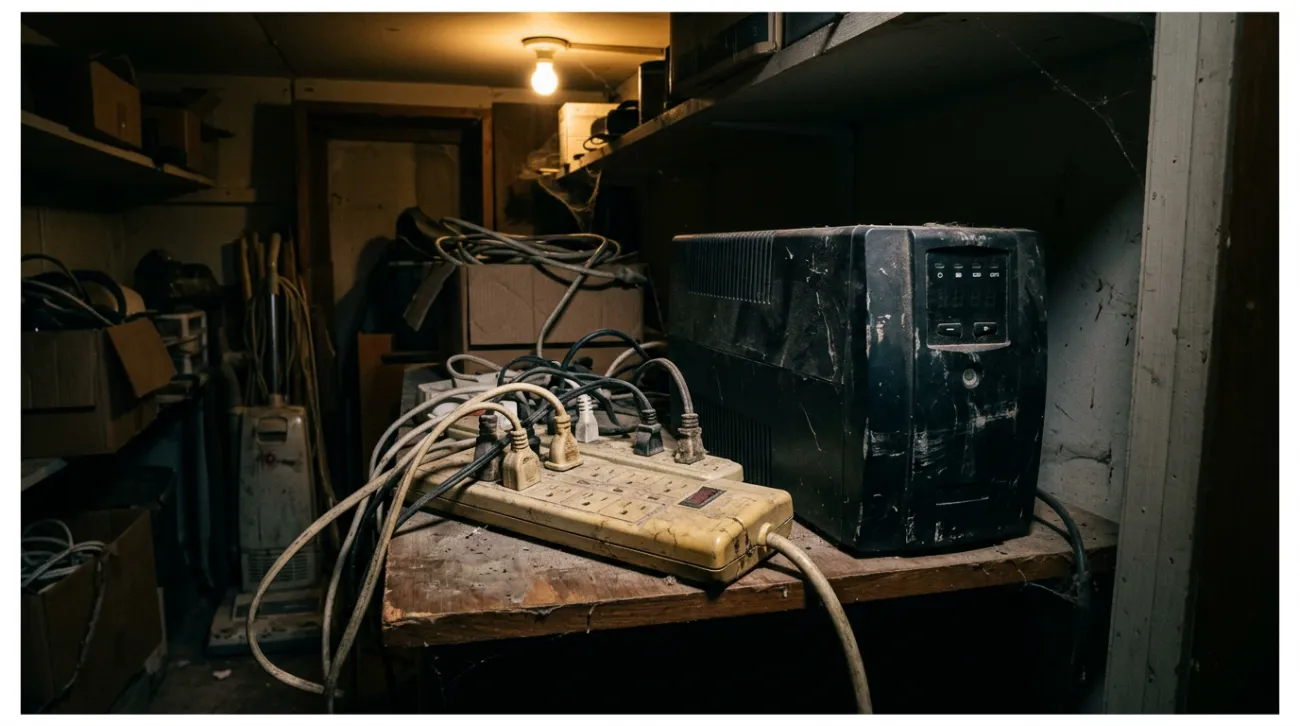
Surge protectors serve as the first line of defense for expensive electronics, yet these devices have finite lifespans that many homeowners overlook. Each power surge absorbed by a surge protector degrades its protective components, with most units providing effective protection for only three to five years under typical conditions. Homes in areas with frequent electrical storms or unstable power grids may exhaust surge protector capacity even faster. Unfortunately, many surge protectors continue to function as basic power strips after their protective capacity is depleted, providing false assurance to users.
Uninterruptible power supplies and battery backup systems require even more vigilant monitoring. The sealed lead-acid or lithium-ion batteries in these devices typically need replacement every three to five years, regardless of how often they have been discharged. Battery capacity diminishes gradually, potentially leaving critical equipment like computers, medical devices, or sump pumps vulnerable during outages. Many UPS units include battery health indicators, but proactive replacement schedules prove more reliable than waiting for warning signals that may come too late.
Creating a Home Maintenance Calendar
Tracking installation dates and expected replacement timelines for major household components helps prevent unexpected failures. Consider creating a simple spreadsheet or using a home maintenance app to log when items were installed, their expected lifespan, and scheduled inspection or replacement dates. This proactive approach transforms surprise breakdowns into planned replacements.
Mattresses, Pillows, and Soft Furnishings Degrade with Use
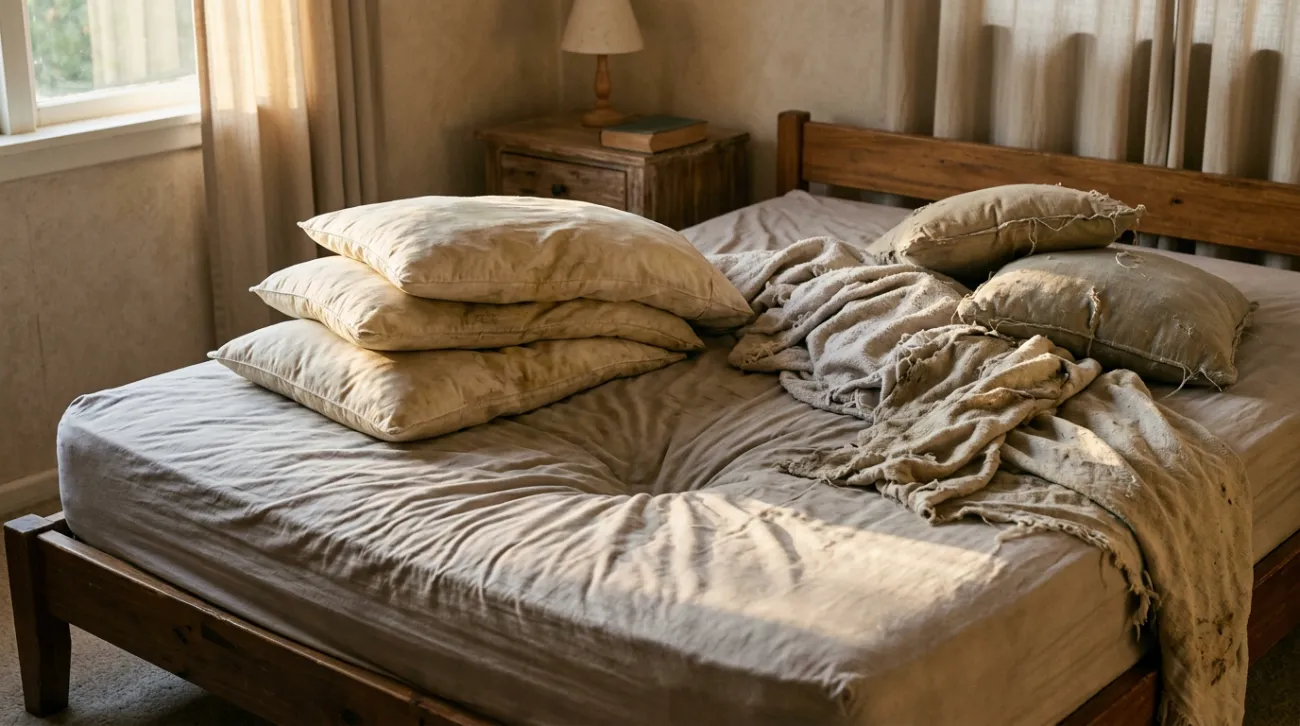
The items we use most intimately often receive the least attention regarding replacement schedules. Mattresses typically provide optimal support and comfort for seven to ten years, though this varies based on construction quality and user weight. Beyond visible sagging, mattresses accumulate dust mites, dead skin cells, and moisture over time, potentially affecting sleep quality and respiratory health. Pillows deteriorate even faster, with most sleep experts recommending replacement every one to two years for synthetic fills and two to three years for down alternatives.
Upholstered furniture, while generally lasting longer, still has finite lifespans. Sofa cushions compress and lose resilience after five to ten years of regular use, and fabric deteriorates from friction, sunlight exposure, and cleaning. Even items like shower curtain liners, which may appear clean, should be replaced every six to twelve months to prevent mold and bacteria accumulation. These seemingly minor replacements contribute significantly to home hygiene and comfort when addressed on appropriate schedules.
Protecting Your Investment Through Proactive Maintenance
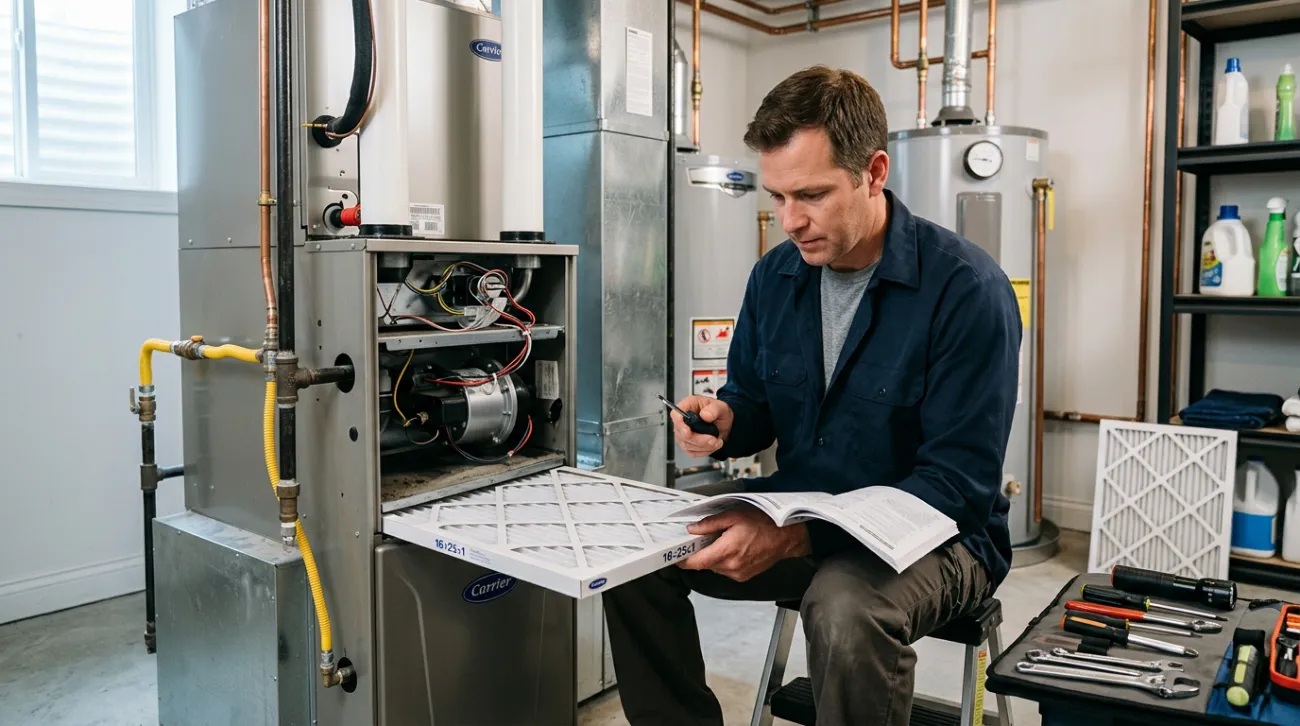
Awareness of realistic lifespans transforms home maintenance from a reactive scramble into a strategic process that protects both property and household budgets. By understanding that items throughout your home operate on finite timelines—from major appliances to humble weatherstripping—you can plan replacements during sales, schedule installations at convenient times, and avoid the premium costs associated with emergency service calls. The peace of mind that comes from knowing your home’s critical systems and safety equipment function properly proves invaluable, and the financial benefits of planned maintenance over emergency repairs accumulate substantially over years of homeownership. Taking inventory of your home’s components and their ages represents the first step toward a more proactive and ultimately more economical approach to maintaining the place where your family lives, works, and creates lasting memories.


